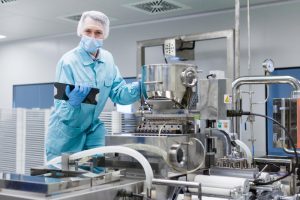
Personal Protective Equipment (PPE) plays a crucial role in ensuring the safety of workers in the food processing industry. From preventing injuries to safeguarding against contamination, implementing effective PPE policies is essential for maintaining a safe and compliant workplace. This blog post explores the importance of PPE in food processing, key elements of effective PPE policies, and how businesses can successfully implement and enforce these measures.
Importance of PPE in Food Processing
In food processing facilities, workers are exposed to various hazards, including sharp tools, hot surfaces, chemicals, and biological contaminants. PPE serves as the last line of defense against these risks, protecting workers from:
- Physical Hazards: Such as cuts, burns, and impact injuries from machinery and equipment.
- Chemical Hazards: Exposure to cleaning chemicals, sanitizers, and food additives.
- Biological Hazards: Preventing contamination from pathogens and allergens present in food products.
Key Elements of Effective PPE Policies
To ensure the effectiveness of PPE in mitigating risks, businesses should establish comprehensive policies that encompass the following elements:
-
Risk Assessment:
- Identifying Hazards: Conducting thorough assessments to identify potential hazards specific to each work area and task.
- Determining PPE Requirements: Based on the identified hazards, determining the appropriate types of PPE needed (e.g., gloves, aprons, goggles, respirators).
-
Selection of Appropriate PPE:
- Fit for Purpose: Selecting PPE that provides adequate protection against identified hazards.
- Comfort and Compatibility: Ensuring that PPE is comfortable to wear and does not hinder job performance or hygiene practices.
-
Training and Education:
- Proper Use and Maintenance: Providing training on how to properly wear, adjust, and maintain PPE to maximize effectiveness.
- Importance of Compliance: Educating employees on the importance of wearing PPE consistently and correctly.
-
Regular Inspections and Maintenance:
- Inspection Procedures: Establishing protocols for regular inspections of PPE to ensure it remains in good condition.
- Replacement: Promptly replacing damaged or worn-out PPE to maintain its protective properties.
-
Enforcement and Compliance:
- Supervision: Monitoring and enforcing compliance with PPE policies through regular supervision and audits.
- Feedback Mechanisms: Encouraging feedback from employees to address any concerns or issues related to PPE.
Implementing and Enforcing PPE Policies
Successful implementation of PPE policies requires commitment from management and active participation from employees. Here are steps to effectively implement and enforce PPE policies:
- Management Support: Ensure that management prioritizes workplace safety and allocates resources for PPE procurement and training.
- Employee Involvement: Involve employees in the development of PPE policies to foster ownership and compliance.
- Continuous Improvement: Regularly review and update PPE policies in response to changes in hazards, technology, or regulatory requirements.
- Training Programs: Conduct regular training sessions and refresher courses to reinforce the importance of PPE and address any new risks or challenges.
- Feedback Mechanisms: Establish open communication channels for employees to report PPE-related issues or suggest improvements.
Implementing effective PPE policies is crucial for safeguarding the health and well-being of workers in the food processing industry. By prioritizing risk assessment, proper selection, training, maintenance, and enforcement, businesses can create a safer workplace environment while ensuring compliance with health and safety regulations. Investing in PPE not only protects employees but also enhances productivity and reinforces a culture of safety within the organization.